
For many international wine lovers, Ukraine still feels like terra incognita. Yet behind this perception lies one of Eastern Europe’s most underestimated wine assets: indigenous grape varieties shaped by the Black Sea, steppe winds, limestone soils, and centuries of local selection.
Unlike international grapes that dominate global shelves, Ukraine’s native and locally bred varieties tell a different story — one of adaptation, resilience, and originality. Below are the most important Ukrainian grapes you’ve likely never heard of, but absolutely should know.
Why Indigenous Grapes Matter in Ukraine Today
Ukraine’s focus on indigenous and local varieties is not nostalgia — it is strategy.
-
Climate adaptation: Native grapes are better suited to drought, heat, and local soils
-
Cultural identity: These wines cannot be replicated elsewhere
-
Global relevance: International markets increasingly value authenticity over imitation
Indigenous varieties are central to Ukraine’s long-term wine positioning, especially as small producers gain visibility.
Ancient & Indigenous Black Sea Varieties
Roots deeper than modern borders
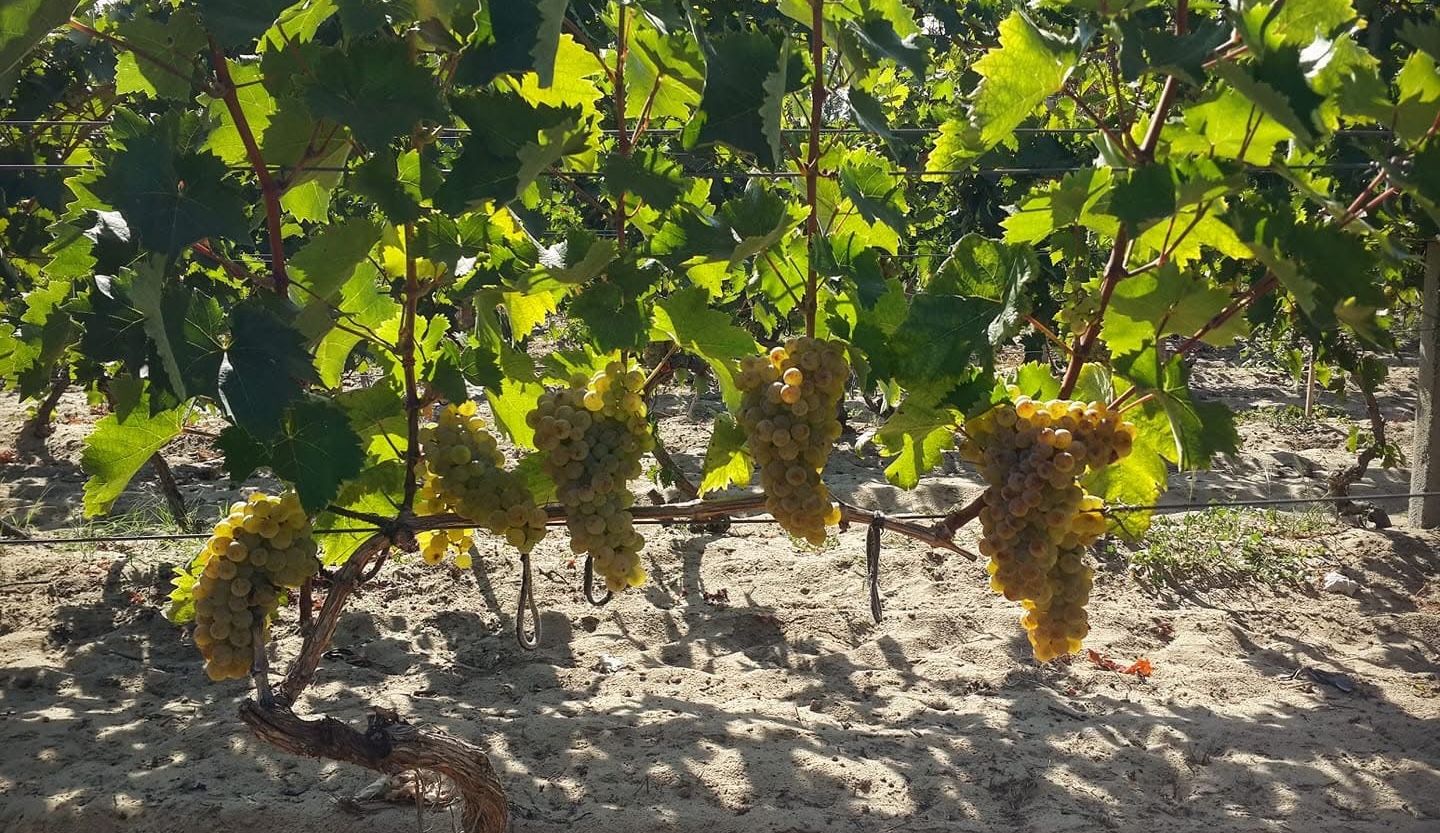
Telti-Kuruk (Тельті-Курук)
One of the oldest white grape varieties of the Northern Black Sea region.
-
Origin: Southern Ukraine / Black Sea basin, pre-Ottoman period
-
Style: Citrus peel, green apple, saline minerality, vibrant acidity
-
Viticultural value: Drought-resistant, naturally low alcohol
-
Why it matters: A true autochthon, increasingly valued by terroir-driven producers
Wine recommendations:
Beykush winery
Shabo
Big wines
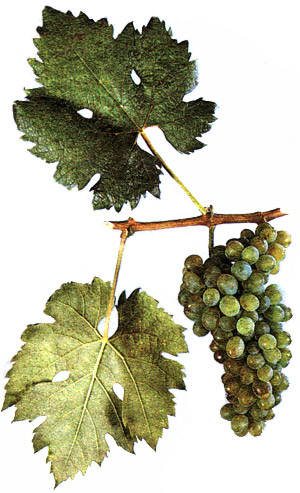 Kokur Bilyi (Кокур Білий)
A historic white grape closely tied to Crimea’s wine culture.
-
Origin: Crimea, with references dating back centuries
-
Style: Apple, almond, subtle maritime notes; suitable for dry and fortified wines
-
Status today:
Kokur remains largely confined to Crimea, where it historically evolved.
Ukrainian winemakers and researchers openly speak about the need to preserve and eventually reintegrate this variety into Ukraine’s national wine narrative.
Ekim Kara (Екім Кара)
An ancient dark-skinned grape of Crimean origin.
-
Origin: Indigenous Crimean variety
-
Style: Dark berries, herbs, firm tannins, excellent structure
-
Status today:
Like Kokur, Ekim Kara currently remains in Crimea, but it is widely recognized as part of Ukraine’s viticultural heritage. Ongoing research, documentation, and genetic preservation efforts aim to ensure its future return to Ukrainian winemaking.
Scientific Breeding: Ukraine’s 20th-Century Wine Breakthrough
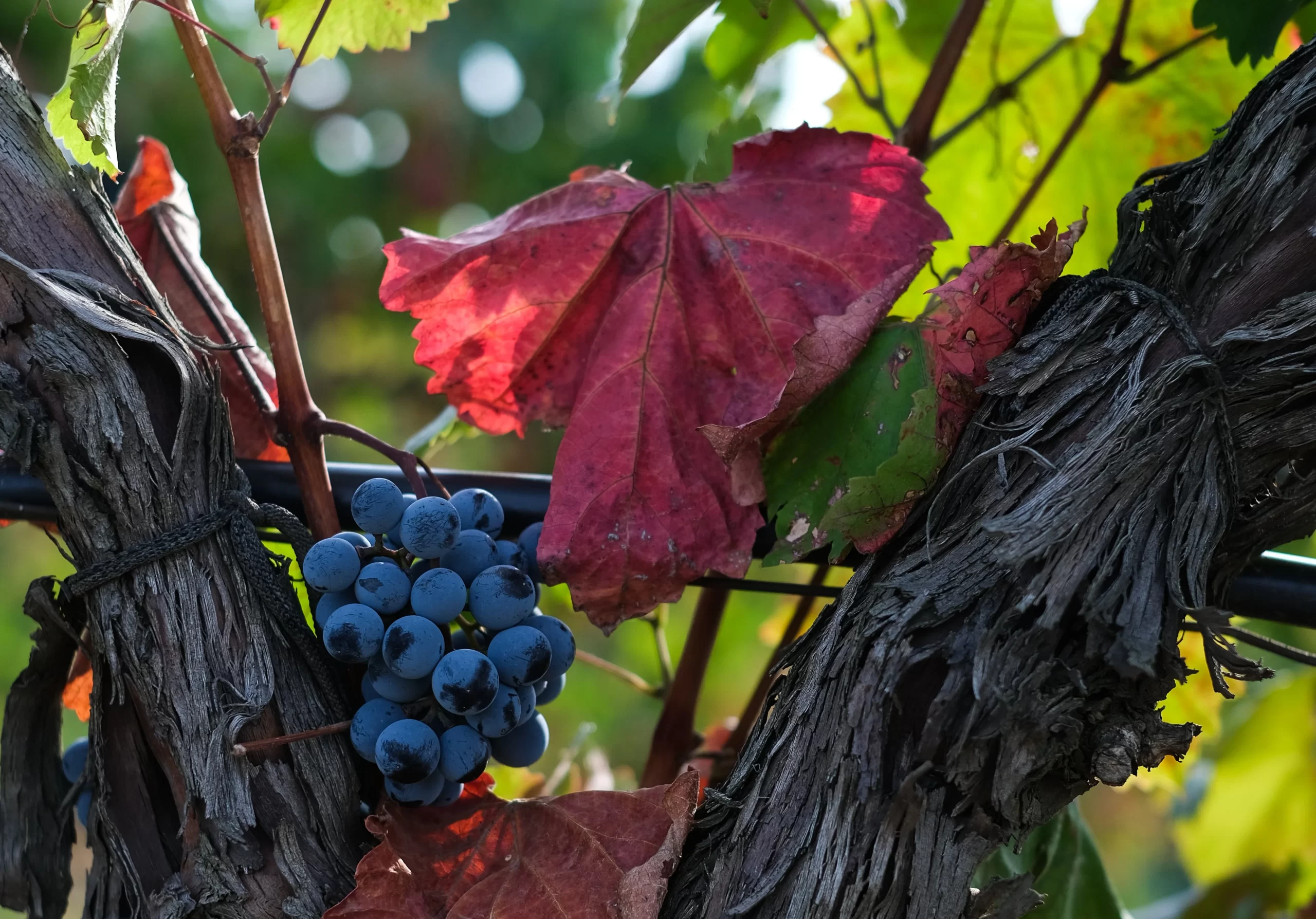
Odesa Black (Одеський Чорний)
Ukraine’s most internationally recognized red
-
Origin: Tairov Institute (Alicante Bouschet × Cabernet Sauvignon)
-
Style: Deep color, black cherry, spice, structured tannins
-
Significance: Flagship Ukrainian grape with export potential
-
International context: Regularly cited by international wine media and Master of Wines as Ukraine’s most distinctive red
Wine recommendations:
Kolonist
Villa Tinta
Vinoman
Zelenytsy winery
Gigi winery
Sukholymansky White (Сухолиманський Білий)
Precision-built for southern climates
-
Origin: Chardonnay × Plavai
-
Style: Citrus, white flowers, balanced acidity, clean structure
-
Winemaking flexibility: Stainless steel, lees aging, sparkling base
Citronny Magaracha (Цитронний Магарача)
Aromatic white with a misunderstood reputation
-
Origin: Magarach Institute selection
-
Style: citrus zest, muscat tones, floral notes
-
Common misconception: often associated only with semi-sweet styles
-
Modern reality: increasingly vinified dry, sparkling, and skin-contact
Wine recommendations:
Zelenytsy Winery
Frumushika Nova winery
Olbio Nuvo
Krasen (Красень)
A resilient Ukrainian red shaped by science and sustainability
-
Origin: Developed at the Magarach Institute through generative hybridization
(Antey Magarachskyi × Magarach Seedless Early) -
Style: Dark berries, fresh acidity, moderate tannins; suitable for dry reds, dessert and fortified styles (including Cahors-inspired wines)
-
Viticultural value: Genetically resistant to phylloxera, downy and powdery mildew, and botrytis; highly tolerant to drought and frost
-
Technical strengths: High sugar accumulation (up to 30 g/100 cm³) and juice yield (up to 78%)
-
Why it matters: A versatile, climate-resilient Ukrainian grape officially approved for industrial cultivation since 2008, increasingly relevant for sustainable and low-intervention winemaking
Wine recommendations:

Vino Demidi
Bastardo Magarachskyi (Бастардо Магарацький)
Elegance over power
-
Origin: Magarach Institute selection
-
Style: Red berries, spice, lively acidity, medium body
-
Identity: A refined, cool-climate expression rather than a heavy red
-
Why it matters: Demonstrates Ukraine’s capacity for finesse-driven reds
Modern & New-Wave Ukrainian Grapes
Wine for a changing climate
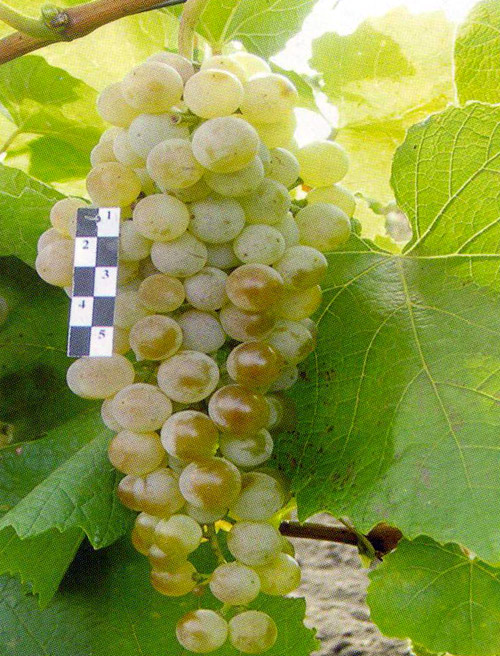 Zagrey (Загрей)
Innovation rooted in tradition
Zagrey represents the modern face of Ukrainian grape breeding: climate-resilient, expressive, and stylistically flexible.
-
Origin: Ukrainian selection programs focused on adaptability
-
Style: Aromatic whites with stone fruit, floral notes, moderate body
-
Key advantage: Resistant to disease and heat stress — crucial under climate change
Zagrey is increasingly used by progressive wineries seeking sustainable viticulture without sacrificing character.
Yarylo (Ярило)
A modern Ukrainian white for a new generation
-
Origin: Contemporary Ukrainian selection
-
Style: Citrus, white peach, herbs, crisp acidity
-
Why it matters: Clean aromatics without exaggeration; ideal for minimal-intervention wines
-
Context: Increasingly favored by small, progressive producers
Where to taste wine from these grapes in Kyiv?
Understanding indigenous grapes requires tasting — ideally side by side.
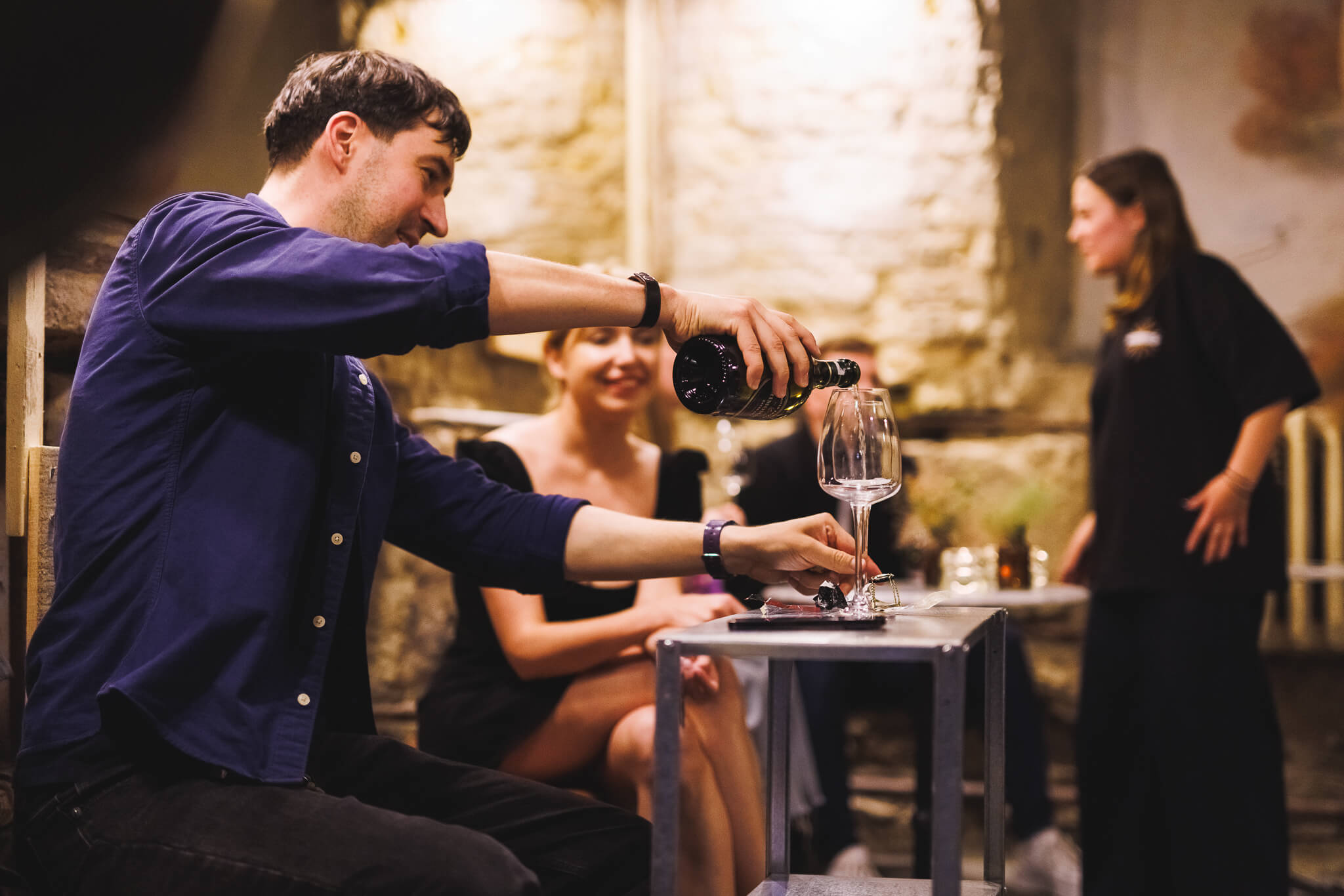
One of the few places where you can experience several Ukrainian native grape varieties in a single visit is Uwines in Kyiv. The bar focuses on small producers, indigenous grapes, and curated tastings designed for both local audiences and international guests.
Rather than offering a generic wine list, Uwines provides context — explaining why these grapes exist, how they evolved, and what makes them distinct within the global wine landscape.
Alongside a carefully selected range of Ukrainian wines by the glass, Uwines also serves both full, thoughtfully prepared dishes and local specialties, including artisanal Ukrainian cheeses and cured meats, created to pair naturally with the wines. The result is a complete dining experience, not merely a tasting stop.
Kyiv, Hetman Pavlo Skoropadsky Street, 5 (Google maps)
-
Nearest metro: Ploshcha Ukrainskykh Heroyiv (Square of Ukrainian Heroes)
-
Hours: Daily 13:30–22:00
-
Phone: +380 (77) 007-25-06